A SWISS INITIATIVE FOR POETIC LIFE
Mélodie Blaum Room
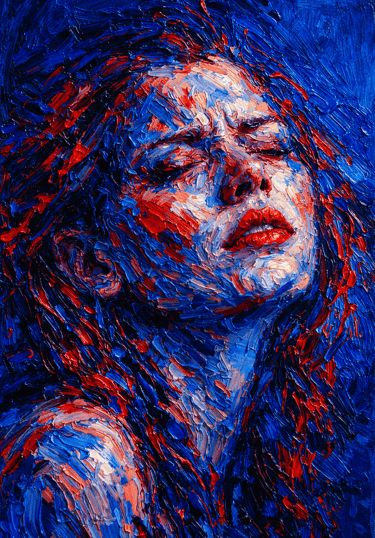
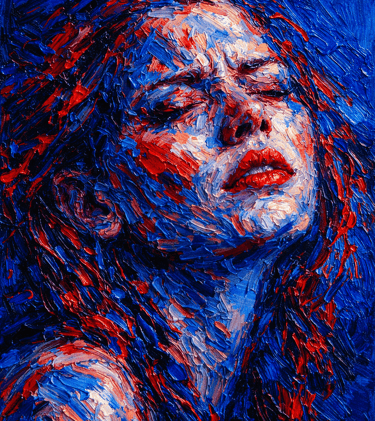
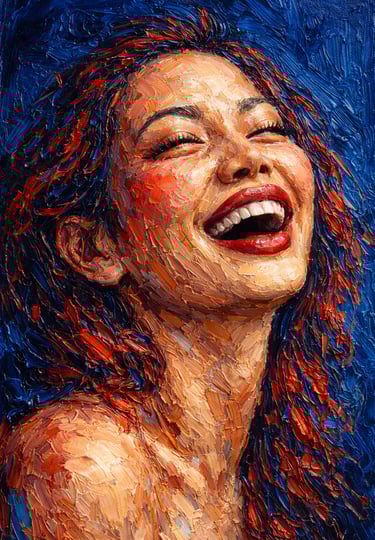
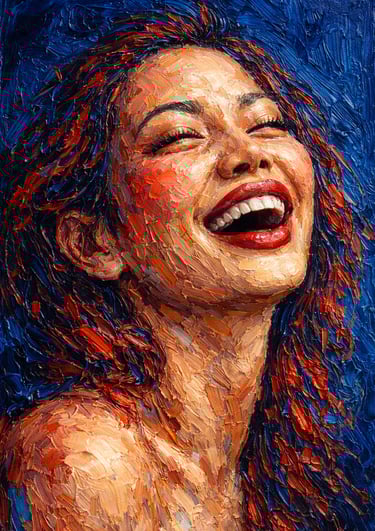
Mélodie Blaum’s painting asserts itself through color. It does not settle on the surface; it advances, it occupies, it radiates. Carmine reds expand with density, roses vibrate, blues intensify until they nearly saturate the space. The canvas does not receive color; it carries it.
The material is shaped in broad masses, in deliberate gestures. Thick impasto catches the light, creates relief, holds the gaze. The eye moves, returns, lingers; the surface becomes tactile territory. One senses the pressure of the gesture, the energy embedded in the pictorial substance, the warmth contained within layered strata.
Having long evolved within the Jura Arc, between Bienne and La Chaux-de-Fonds, and in dialogue with London, the artist inscribes within her practice a plurality of climates. This circulation is visible in the stratification of color: none withdraws, none disappears. They coexist, brush against one another, at times collide, always present.
Sensoriality holds a central place. The painting evokes the density of skin, the tension of a breath, the proximity of a body. Forms remain open, traversed by an inner energy that does not seek stabilization. Color becomes pulse; it sustains emotion without fixing it.
At M.A.G, Mélodie Blaum’s work offers a direct experience of material and chromatic intensity. The surface is not décor, but a space of force. Color acts, insists, remains.
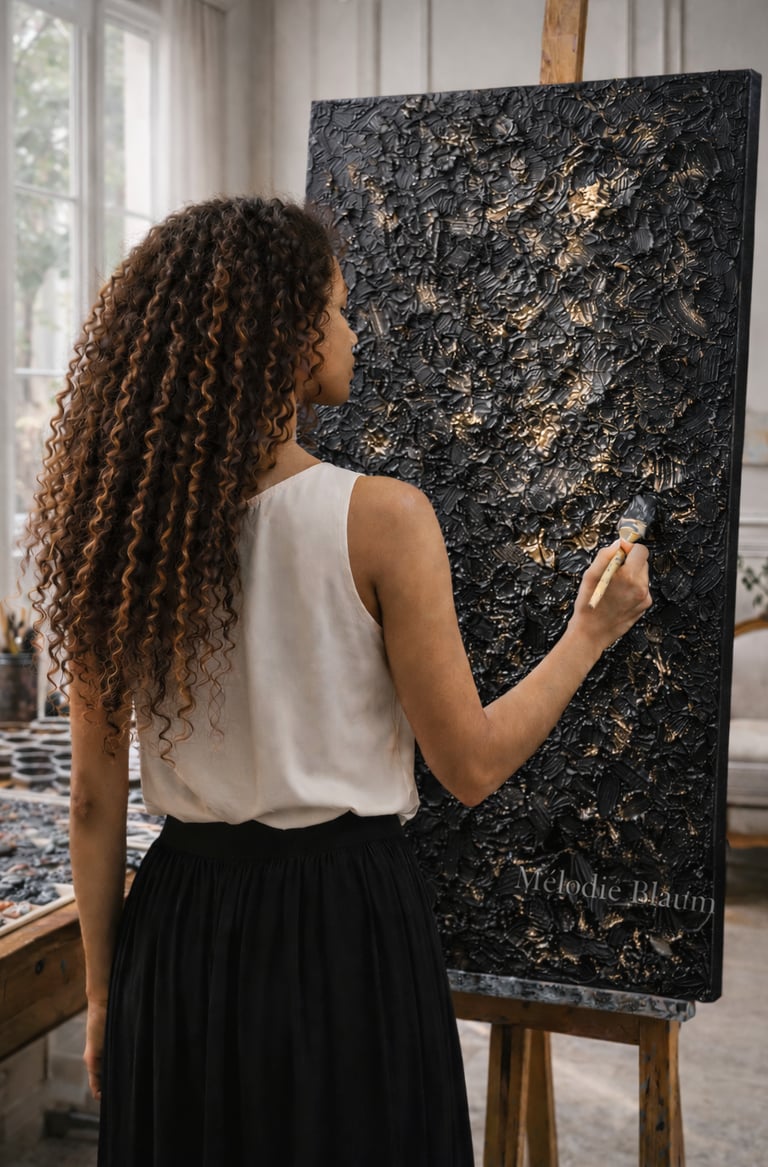
Le lien by Mélodie Blaum
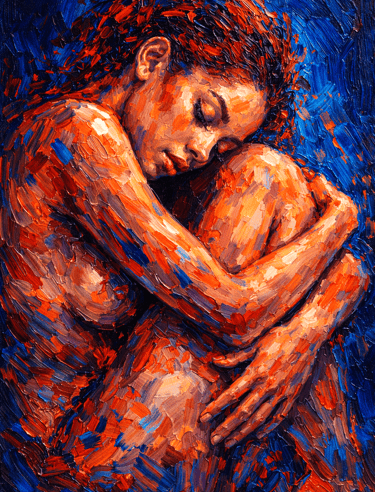
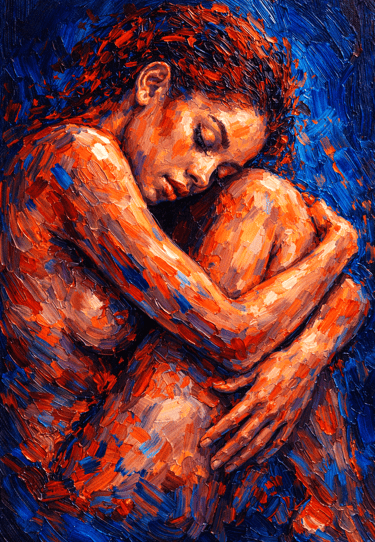
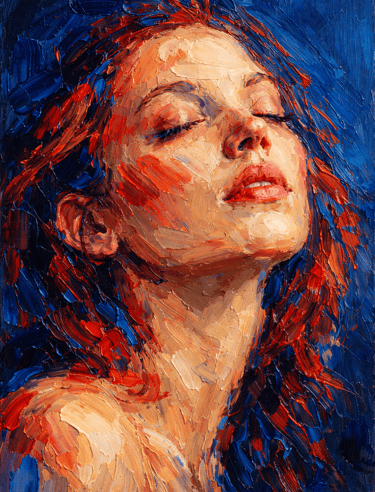
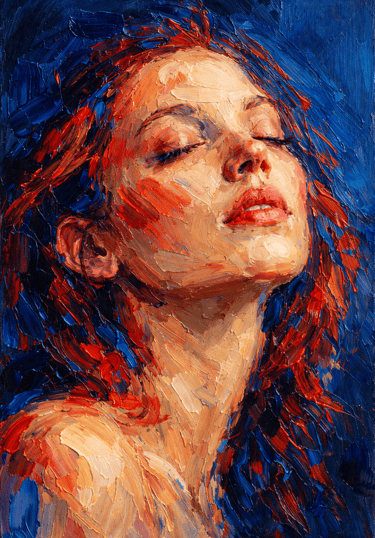
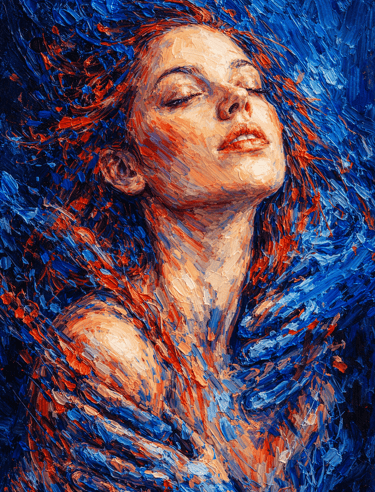
Interne
50 x 70 cm
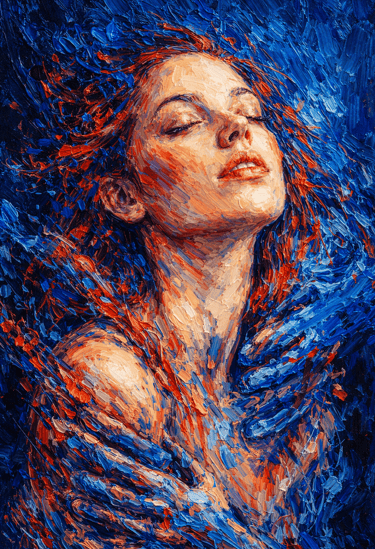
Sensielle
50 x 70 cm
Désirée
50 x 70 cm
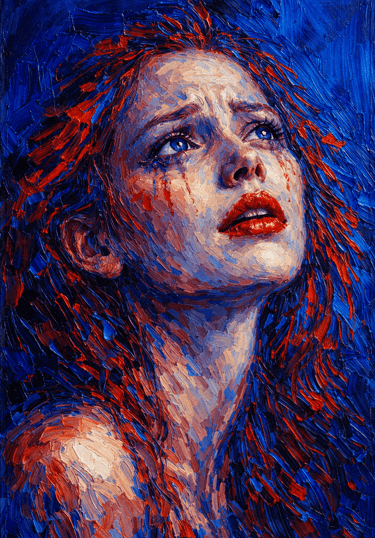


Case
50 x 70 cm
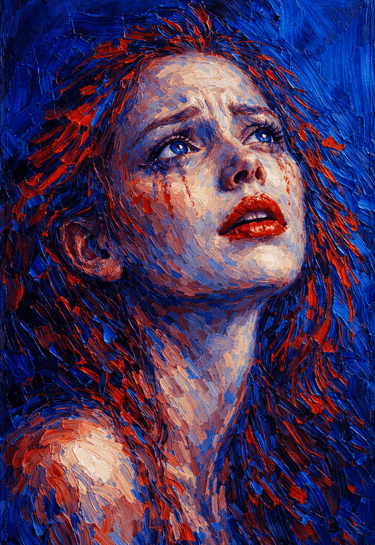
Case II
50 x 70 cm
Confrontation
50 x 70 cm


Overall Narrative Coherence of Mélodie Blaum’s Works for LE LIEN Exhibition
Mélodie Blaum’s chamber approaches connection as an embodied affective experience.
Interne opens the journey with a fundamental gesture: connection does not begin with the other; it begins with the relation to oneself. The body gathers inward, almost in withdrawal, as if feeling seeks its own inner ground before exposure. A quiet tension moves beneath the surface, like intimacy forming in solitude before it can be shared. To recognize oneself, to stand within one’s own presence, to feel one’s existence — connection takes root in this first fidelity to the self.
Sensielle moves toward the space of contact. Matter thickens, color adheres, like skin that senses. Connection takes form in proximity, in the warmth of a gaze that approaches without possession. Vulnerability emerges; to be seen is to accept the possibility of being touched, and perhaps unsettled.
Désirée introduces projection and anticipation. The body begins to imagine response, to measure the fragile distance between desire and reciprocity. Connection carries both intensity and uncertainty. The painted surface seems to advance toward the viewer while preserving a reserve, mirroring the way feeling extends itself without surrendering entirely.
Case and Case II situate connection within surrounding structures. Lines frame, orient, and contain. Relationship does not unfold in neutrality; it is shaped within forms that influence position and exchange. Emotion encounters the architecture that surrounds it.
Confrontation brings the encounter to its peak. The gaze sharpens, matter rises, and presence asserts itself. Connection passes through trial — recognition, resistance, affirmation. To remain in relation requires the strength to hold one’s ground.
Allègre introduces a shift in energy. Movement flows more freely through the composition, suggesting a regained amplitude within exchange. Connection breathes without losing density.
Seuil de l’intime leaves the traversal suspended. After passing through self-relation, contact, desire, structure, and confrontation, a question remains: how does one enter connection without losing inner coherence? The link appears as threshold — not closure, but passage — inviting continuation beyond the visible.
Explanation of Possible Contexts of Dialogue with Spaces
Possible contexts of dialogue with spaces do not constitute placement recommendations nor mandatory instructions. They propose reflective pathways through which works may interact with environments of living, working, or meeting. These suggestions invite collectors, institutions, and audiences to consider the works as presences capable of engaging with the human and social dynamics of the spaces in which they are installed.
Curator & Texts : Marlena Des
MERSEDES'S ROOM JOE'S ROOM
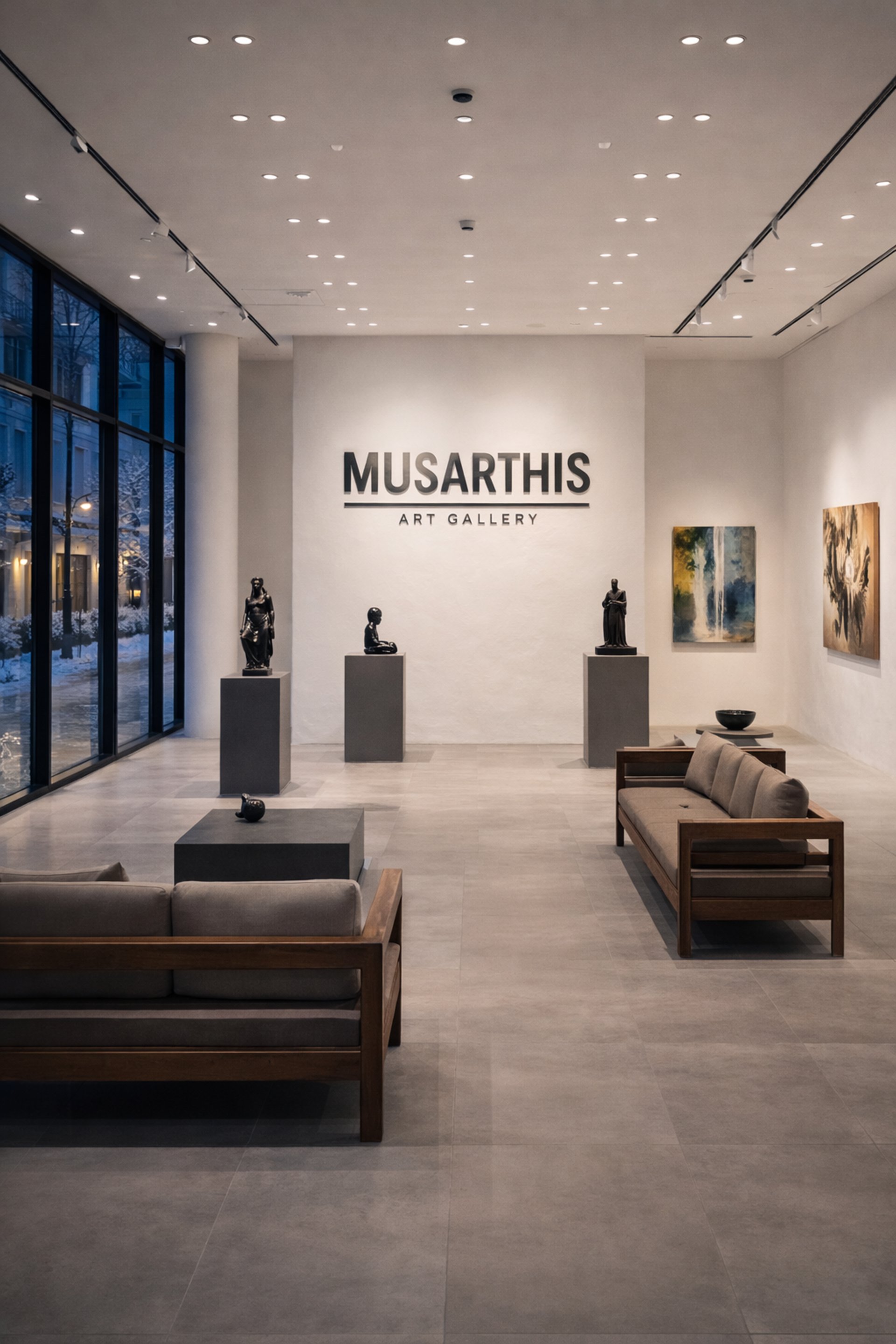
LE LIEN : EVOLVING EXHIBITION
To join the Gallery : artist@musarthis.art


Copyrights @ musarthis.art 2026
GTU F.A.Q
MUSARTHIS (Art Gallery), CH-2300