A SWISS INITIATIVE FOR POETIC LIFE
Art as Poetic Care of the Being (M.A.G)
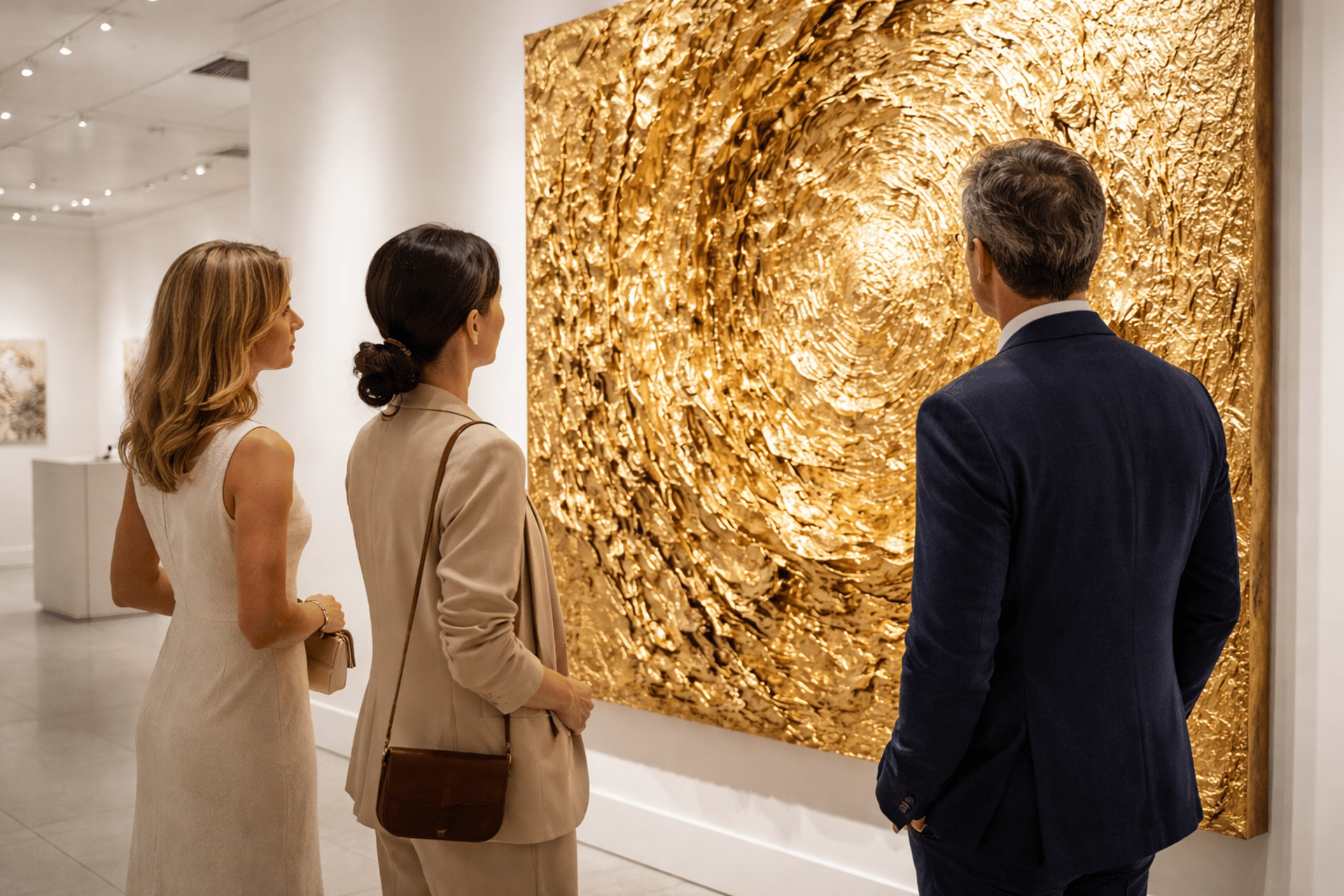
Art can be a source of attentive joy. It illuminates the being through the beauty of a gesture, the freedom of a form, and the sensitive impulse it awakens. When it unfolds in its own rightness, it nourishes the being, accompanies it with gentleness and vitality, and invites a broader presence in the world. This text approaches art as a poetic form of care, a way of experiencing life with clarity, pleasure, and confidence in creative power.
M.A.G Team
2/1/20262 min read
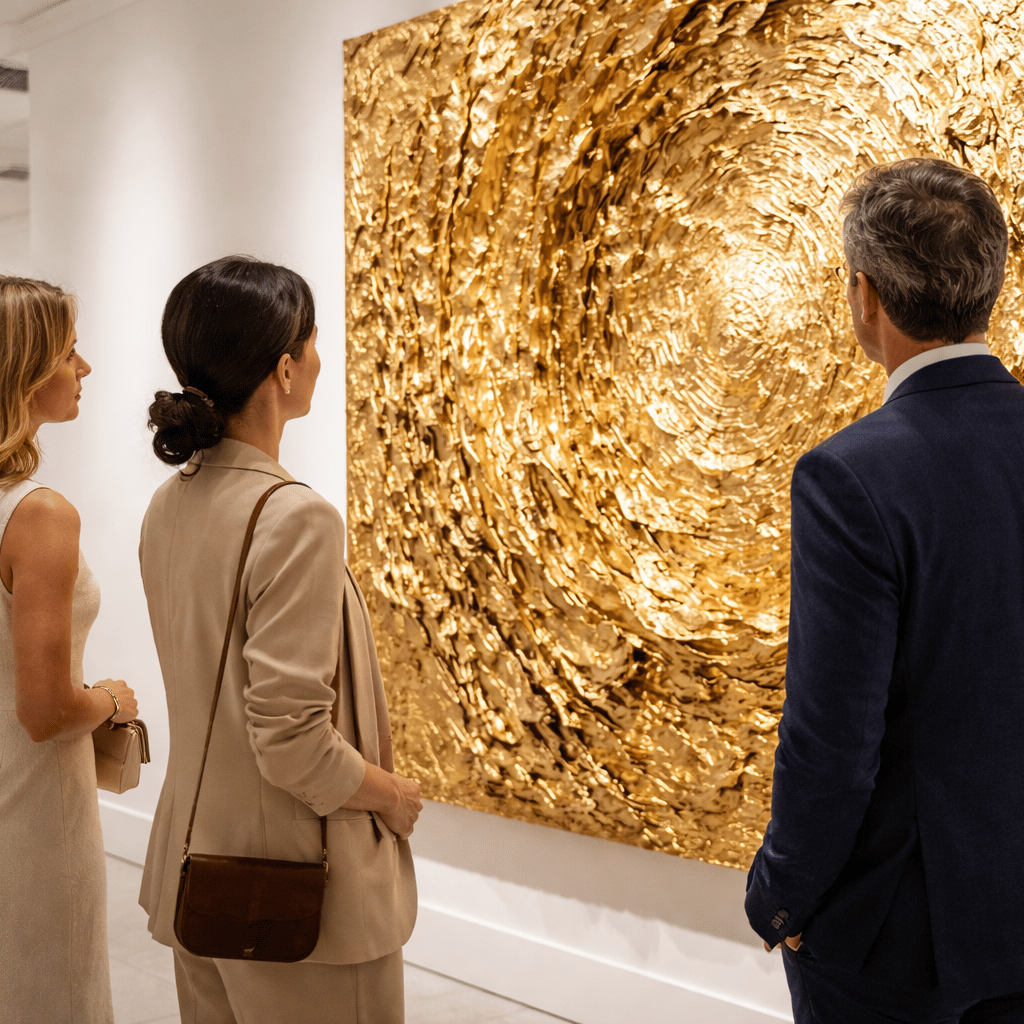
Art has always accompanied human beings in their relationship to the world, to the sensible, and to the invisible. Whether expressed through architecture, ritual objects, images, gestures, or materials, it engages a lived experience that mobilises the body, the senses, time, and attention. Art is not limited to what is seen; it is traversed, inhabited, and experienced through an active and embodied relationship.
What distinguishes certain contemporary approaches lies less in the absence of structure than in the freedom granted to aesthetic experience, which prescribes neither emotion, nor interpretation, nor expected effect. Where ancient art embedded experience within shared cosmologies, collective narratives, and symbolic systems, contemporary art often opens spaces in which the encounter with the work unfolds without imposed instructions, allowing heightened availability of perception and sensation.
Within this perspective, poetic care of the being does not belong to repair nor to a utilitarian therapeutic function. It expresses itself through the quality of presence, through the subtle accord between a form and a gaze, through a sense of rightness that accompanies the being without directing it. A work acts when it offers rhythm, materiality, and a sensitive respiration that allows the viewer to settle into the moment, expand perception, and experience a living inner continuity.
Contemporary research in aesthetics, psychology, and neuroscience confirms that artistic experience engages complex processes related to attention, empathy, and emotional regulation. These effects do not depend on explicit messages, but on the coherence of an artistic gesture and the steadiness of a form. The work thus constitutes a space of inner circulation, where the being recognises itself without being guided or interpreted on its behalf.
The poetic dimension plays a central role here. It does not designate a style, but a way of opening meaning without closing it. The poetic leaves room for incompletion, multiplicity of readings, and what escapes immediate utility. This openness respects the autonomy of the viewer and creates the conditions for discreet care, grounded in experiential freedom and in the sensory pleasure of the encounter.
Within this framework, elegance appears as an essential value. It manifests through restraint, the rightness of gesture, and fidelity to an inner necessity. An elegant work does not impose its presence; it holds it. It sustains attention through continuity rather than saturation, establishing a climate of aesthetic trust in which experience unfolds with clarity and vitality.
To think of art as poetic care of the being is thus to recognise a deep continuity between ancient forms and contemporary practices, while affirming the specificity of an art that leaves experience open and alive. Art does not announce spectacular transformation; it accompanies subtle adjustments, attentive joy, and an expanded presence in the world.
Within this approach, the value of art lies not only in what it shows, but in what it allows to be felt. Artistic experience then takes the form of a space of vitality, clarity, and confidence, where the being unfolds freely, carried by the joyful and discreet power of the poetic gesture.
References
Dewey, J. (1934). Art as Experience. New York: Perigee Books.
Dissanayake, E. (1992). Homo Aestheticus: Where Art Comes From and Why. Seattle: University of Washington Press.
Chatterjee, A. (2014). The Aesthetic Brain: How We Evolved to Desire Beauty and Enjoy Art. Oxford: Oxford University Press.
Pelowski, M., Specker, E., Gerger, G., Tinio, P. P. L., & Leder, H. (2024). Aesthetic experiences and their transformative power. Frontiers in Psychology, 15.
Kirk, U., Skov, M., Hulme, O., Christensen, M. S., & Zeki, S. (2024). Neural correlates of aesthetic experience and emotional regulation. Neuropsychologia, 191.
Fancourt, D., Finn, S., & WHO Collaborating Centre for Arts and Health (2025). Arts, health and well-being: Contemporary evidence and perspectives. World Health Organization.
Musarthis Art Gallery (M.A.G)
Online Exhibition to come : LE LIEN February 14
To join the Gallery : artist@musarthis.art
Copyrights @ musarthis.art 2026
GTU F.A.Q
MUSARTHIS (Art Gallery), CH-2300